Lemosho Route
A remote start on the Shira plateau, crossing the mountain's quiet western flank.
Lemosho Route — Kilimanjaro Treks
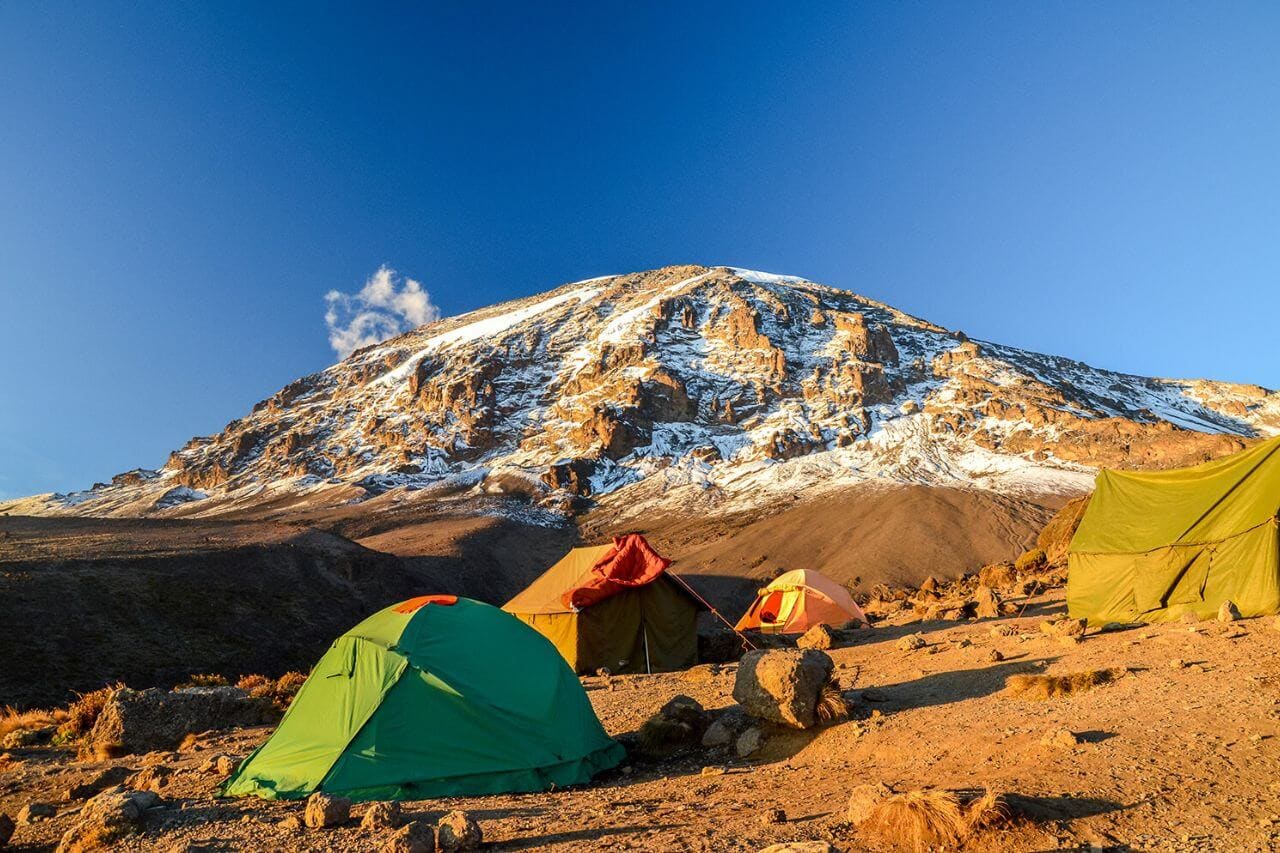
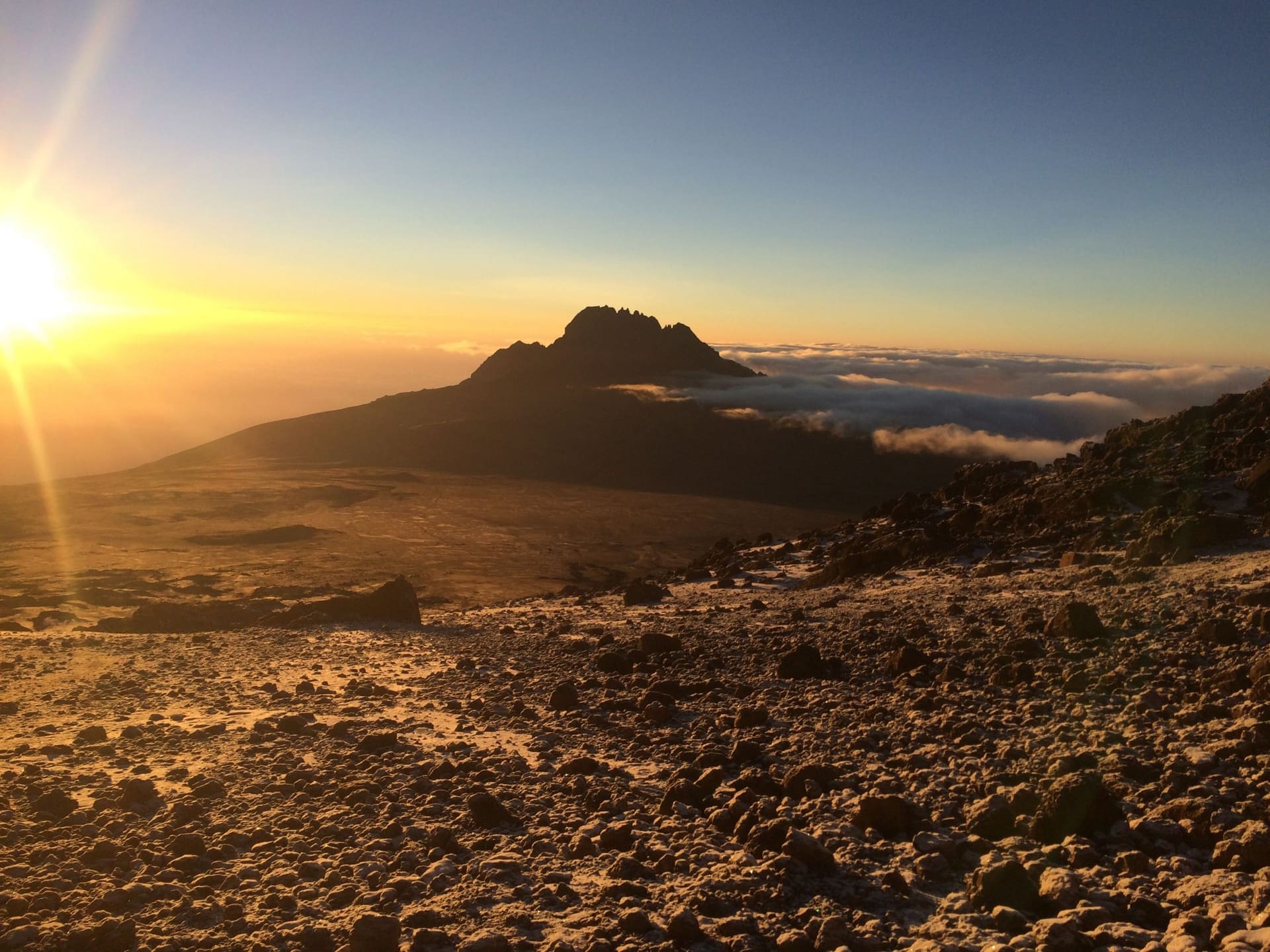
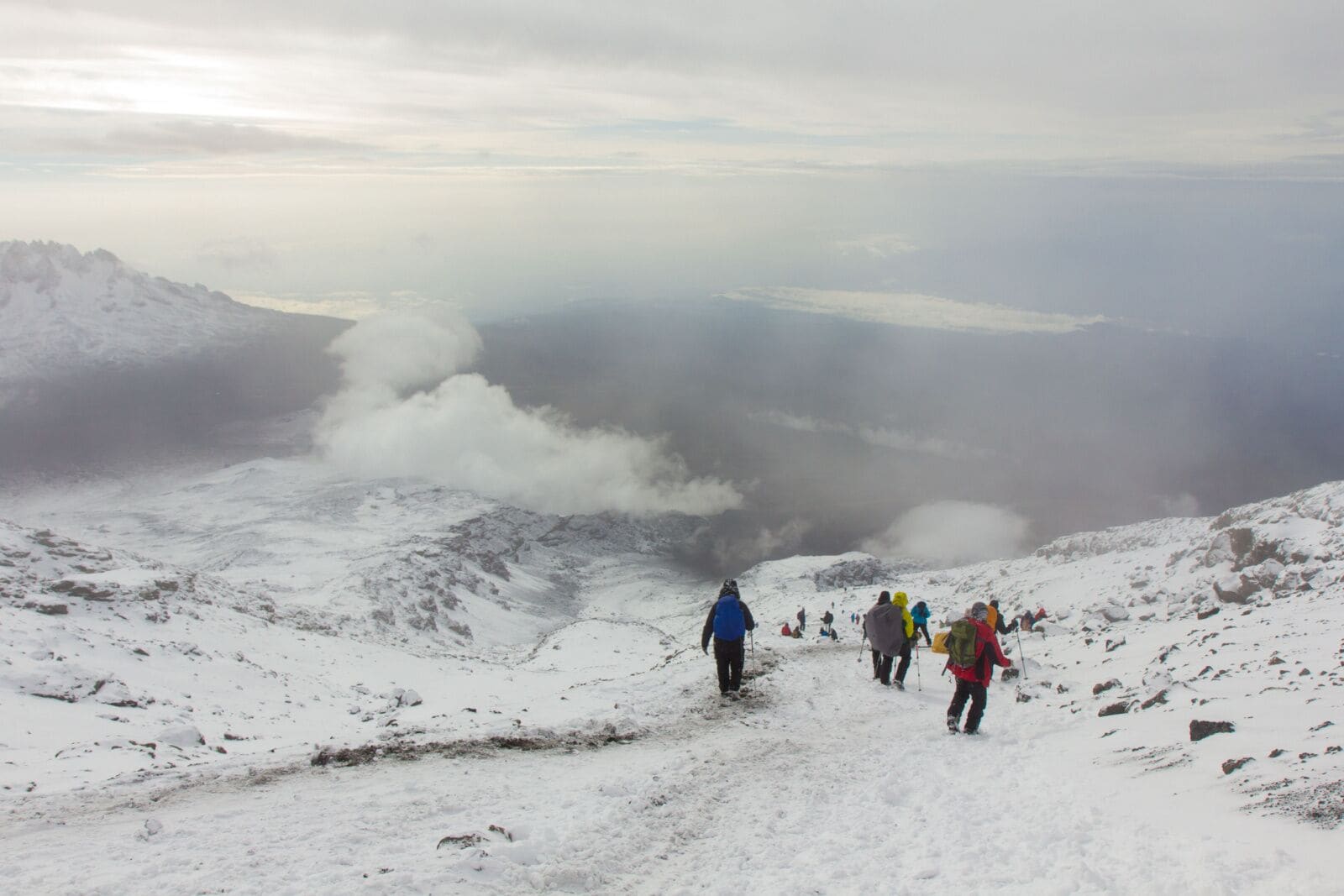
Lemosho is the route our guides choose for their own families: a quiet rainforest start on the mountain's western flank, two nights on the enormous Shira plateau, and the scenic southern circuit across the Barranco Wall to the summit. The extra days low on the mountain are not padding — they are the reason Lemosho's acclimatisation profile and summit record are among the best of any standard route. The walking begins an hour beyond the last road, in forest where colobus monkeys move through the canopy and buffalo sign the trails. From the forest the route climbs through heather and giant lobelia onto the Shira caldera, one of the highest plateaus on earth, where enormous skies and the shattered western breach wall dominate every view. Days three and four deliver the route's signature acclimatisation architecture — the optional scramble beneath Shira Cathedral, then the classic climb-high, sleep-low day through Lava Tower down to Barranco. The final chapters are the mountain at its most dramatic: the dawn ascent of the Barranco Wall, hands on rock with porters singing past, the Karanga Valley crossing, and the deliberate short day to Barafu before the midnight summit push. Stella Point meets the sunrise on the crater rim; the rim walk passes the Rebmann glacier to Uhuru Peak at 5,895 metres, and the descent drops to Mweka Camp and out through rainforest to the certificate ceremony at Mweka Gate. Lemosho suits trekkers who want the mountain's best blend of scenery, solitude and safety margin, and who can give it the eight days it deserves. Summit attempts are conducted according to weather, trail conditions, altitude considerations and the assessment of the mountain guide team.
Every AscentWild trek is run by our own handpicked crew — senior guides, assistant guides, chefs and porters — never sub-contracted. Our guides are Wilderness First Responder trained, check your oxygen saturation, pulse and blood pressure twice daily, and carry emergency oxygen on every departure. Our overall summit rate stands at 98%.
We are proud partners of the Kilimanjaro Porters Assistance Project (KPAP), meeting or exceeding its standards for fair wages, load limits and crew welfare.
- 01Rainforest start with colobus monkeys and a real sense of remoteness
- 02Two nights on the Shira plateau beneath the western breach wall
- 03Climb-high-sleep-low profile through Lava Tower and the Karanga Valley
- 04Barranco Wall at dawn — the mountain's most joyful scramble
- 05One of the strongest acclimatisation profiles of any standard route
The full line, day by day.
Click any day below to read the full story — every day carries its own photo, elevation and overnight details.
Day 1: Londorossi Gate to Mti Mkubwa
Breakfast at the Moshi hotel, then the drive to Londorossi Gate for registration and park formalities while the crew assembles. A 4x4 continues up the forest track to the Lemosho trailhead, where the walk begins in genuine, quiet rainforest — this is the least-visited corner of the mountain's forest belt, and the soundscape is birdsong and dripping leaves rather than other groups. The trail climbs steadily through giant figs and ferns, with colobus and blue monkeys often overhead and fresh signs of buffalo and elephant on the path. Lunch is served en route by the crew, and the guide keeps the pace slow and conversational on the first day's grade. By late afternoon you reach Mti Mkubwa — Big Tree Camp — on the forest edge, where the dining tent is up, dinner is hot and the first evening health check is logged. Temperatures fall after dark; a warm layer and the provided hot water bottle on request make the night comfortable.
FROM THE LINE
The route in pictures.
Press any photo to open it full-screen.
THE FINE PRINT
What the price covers.
Clear terms, no surprises on the mountain or the plain — every trip is quoted privately, per departure.
In the price
- Airport pick-up and drop-off between Kilimanjaro International Airport (JRO) and Moshi
- Two nights of hotel accommodation in Moshi — one night before the trek and one night after the trek, or alternatively any two nights
- All Kilimanjaro National Park fees, including applicable taxes
- All meals and unlimited drinking water while on the mountain
- Private toilet tent — one toilet for every five climbers (not applicable on the Marangu Route, which uses the park huts' facilities)
- Salaries for mountain guides, assistant guides, cooks, and porters
- Transportation to and from the park gate
- Oxygen for altitude-related emergencies
- Complete camping equipment: mountain tents, tables and chairs, cooking equipment, dining tent, and sleeping mattresses
- Please note: sleeping bags are NOT included — sleeping bags can be arranged separately upon request
Not included
- Mandatory inbound travel insurance certificate
- International flights to and from Tanzania
- Tanzania visa fees
- Personal travel insurance
- Personal mountain climbing equipment and gear
- Alcoholic and other personal beverages
- Tips and gratuities for the mountain crew
- Personal expenses not mentioned under the inclusions
- Please note: sleeping bags are not included — available to arrange on request
WE SUPPLY, YOU PACK
Four-season sleeping bag (rentable — sleeping bags are not included) · Broken-in boots, gaiters, down parka for summit night · Headlamp with spare batteries, 2-litre water capacity · Duffel up to 15 kg — the porters' hard limit
OPTIONAL COMFORT & TREK ADD-ONS
Enhance your climb.
Add any of these to your booking — tell your trip planner which options you would like.
Private tent
$100 per trekA private tent option for guests who prefer additional privacy during the mountain experience.
Luxury mattress
$35 per climberA 3-inch-thick, 2.5-foot-wide mattress, compared with the standard 1.5-inch-thick, 2-foot-wide mattress.
High-profile tent
$40 per tentA higher-profile tent option providing additional space and comfort.
Required when using a camp cot — add it separately if you book a cot.
Camp cot
$150 per cotAn optional raised sleeping arrangement for additional comfort.
A high-profile tent is required when using a camp cot.
Hot water bottle
FREE upon requestAvailable to help keep the sleeping bag warm during cold mountain nights.
Day pack porter
$10 per dayAn optional porter service for guests who prefer additional assistance carrying their day pack.
Gamow bag
$300 per trekAn optional altitude-support equipment service.
Post-climb massage
$20 per half hourA post-trek recovery option available after completing the climb.
Post-trek laundry service
$10/kgSame-day laundry service is available.
Please note: Some optional add-ons may require additional porters during the trek. The salaries for any additional porters required because of these services are included in the applicable add-on price.
Asked on every briefing call.
How fit do I need to be?+
You should comfortably walk six hours on back-to-back days before you arrive. Summit night is slow and long — the trick is pace and acclimatisation, not speed. Our summit rate last season was 96% overall, and 90% on this route.
What happens if I need to turn around?+
Your lead guide makes that call with you, and it is never a failure — the mountain will still be there. A walking assistant accompanies every guest group, so one person descending never ends the trip for the others.
How much should I tip the crew?+
Tipping is voluntary but expected if you are happy with the team. We recommend $280–350 per guest across the full crew, presented at the final breakfast in a small ceremony the guide will explain on day one.
Can my family meet the summit team?+
Yes — we arrange a celebration dinner in Arusha the evening after descent, and non-climbing partners can join any safari extension while you are on the mountain.