Marangu Route (5 Days)
The classic hut route on its original five-day schedule — walls, a mattress, and the Saddle.
Marangu Route (5 Days)
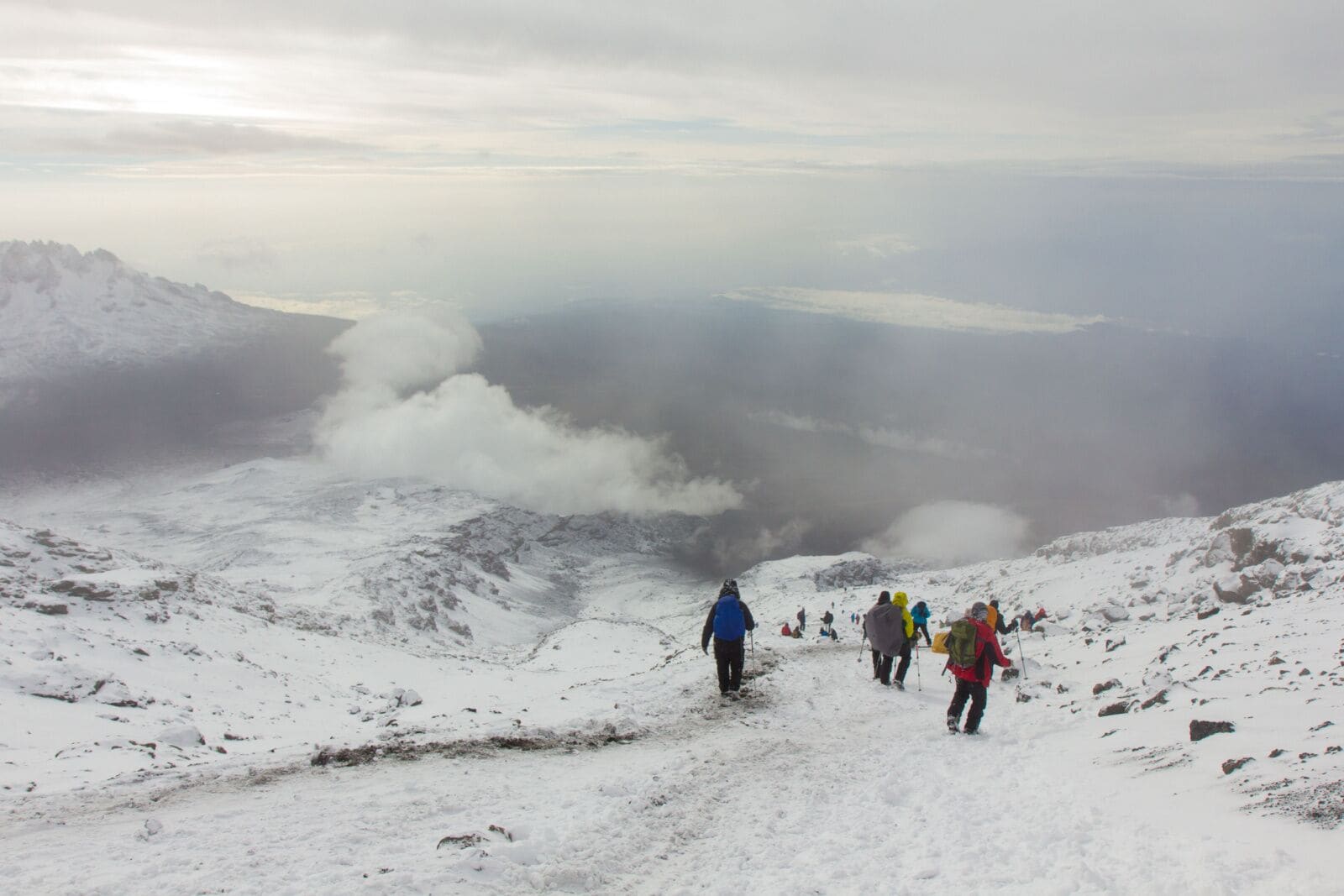
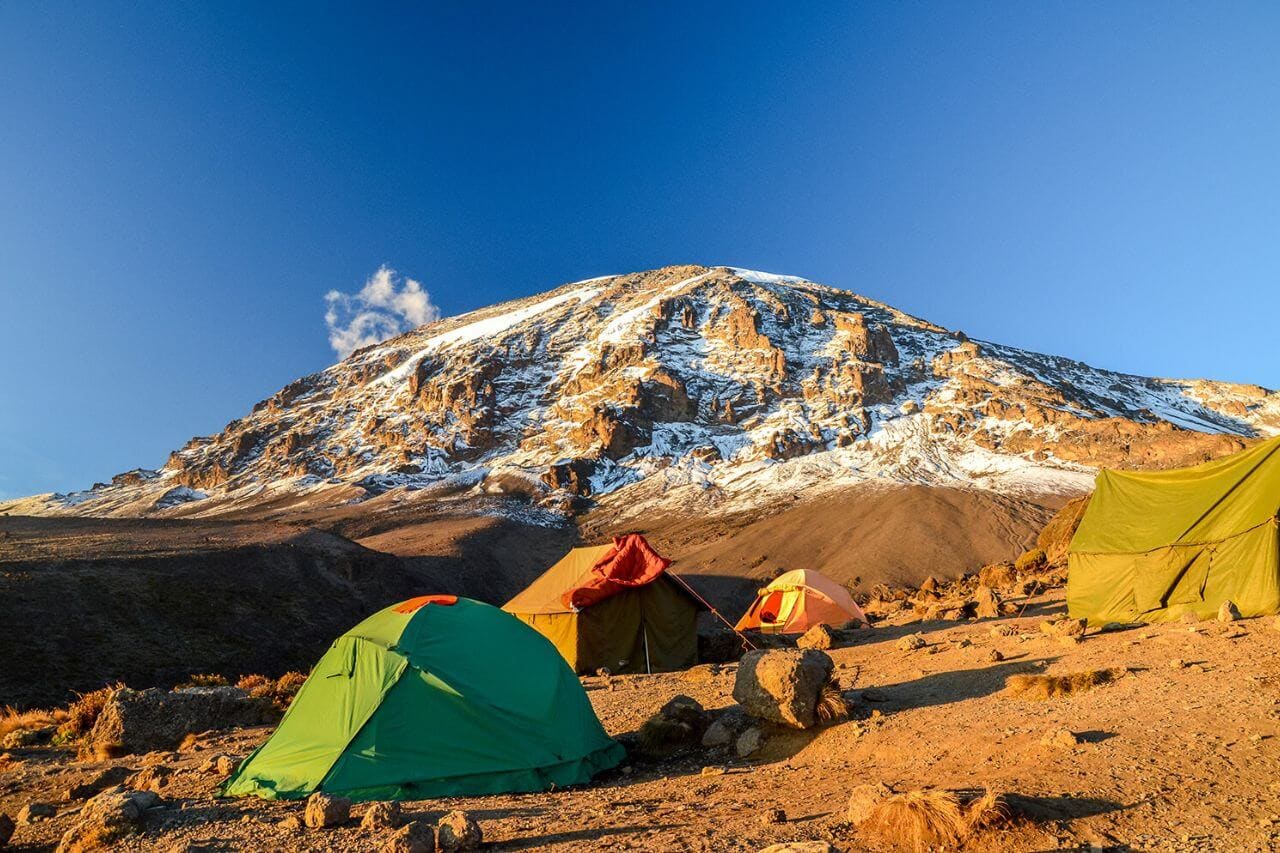
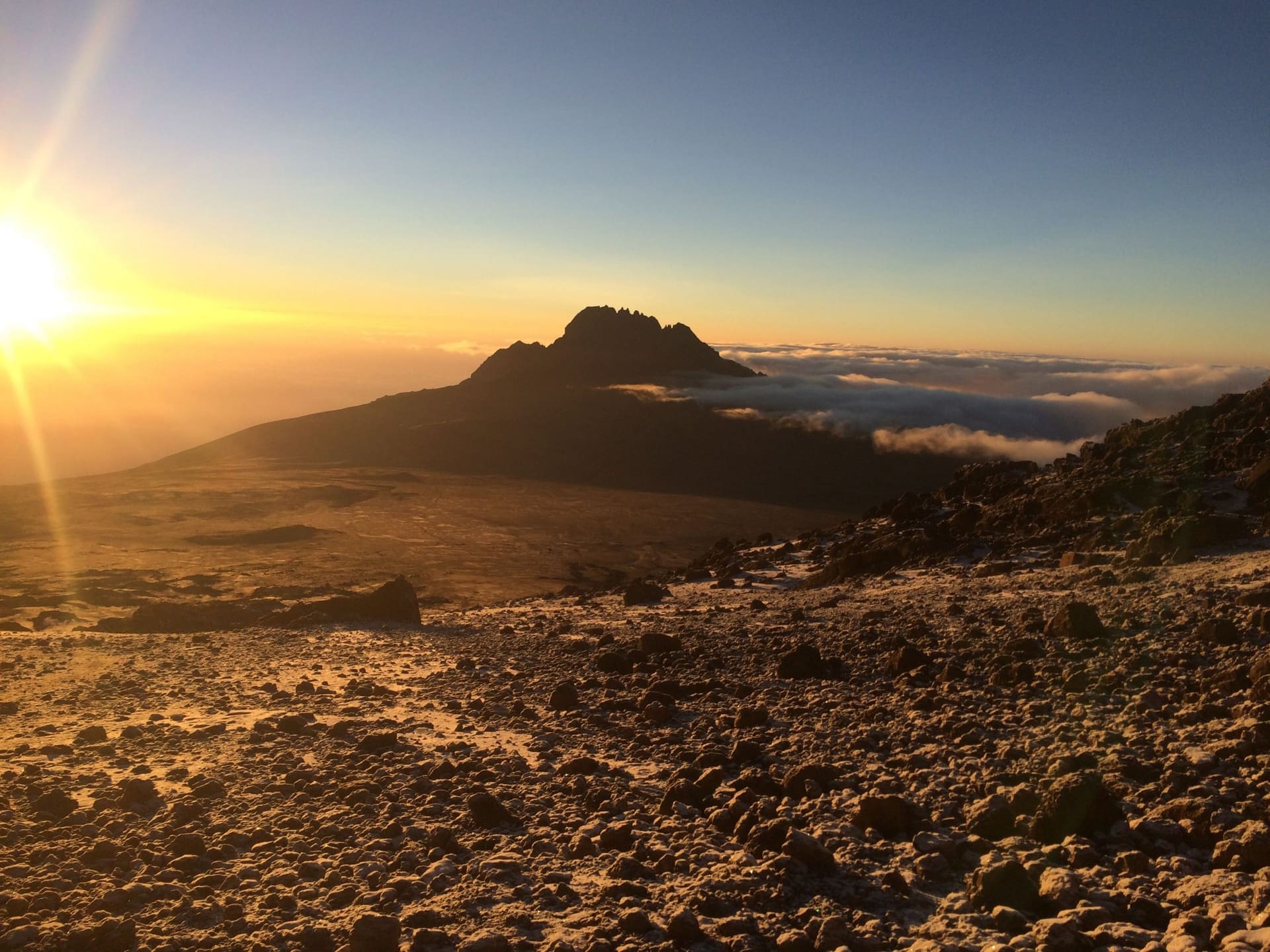
The five-day Marangu is the hut route on its original schedule — the itinerary the mountain's earliest expeditions walked, sleeping in beds rather than tents at Mandara, Horombo and Kibo huts. For trekkers who want walls around them at night, the simplest logistics on Kilimanjaro, and a fixed five-day calendar, it remains the honest short option. The route climbs the mountain's southeastern side through rainforest, moorland and alpine desert. Day three walks from Horombo toward Mawenzi Ridge and the Zebra Rocks before returning to Kibo Hut for the night — a walk-high afternoon on the Saddle approach — and day four is the summit: the midnight departure from Kibo, Hans Meyer Cave in the dark, Gillman's Point at dawn on the crater rim, and the rim walk to Uhuru Peak at 5,895 metres when conditions and the group's condition allow. The descent returns to Horombo for a final hut night before the walk out through Marangu's forest belt. The honest arithmetic, stated plainly because it matters: five days is the weakest acclimatisation profile we sell, and the summit rate reflects it — noticeably below the six-day Marangu, which adds the full acclimatisation day at Horombo. Our guides will say the same thing they tell every guest: if you can spare one more night, take it. This itinerary exists for fixed calendars and confident, recently acclimatised trekkers. Accommodation is in the park's hut dormitories throughout, with meals served in the hut dining rooms. Summit attempts are conducted according to weather, trail conditions, altitude considerations and the assessment of the mountain guide team.
- 01Hut accommodation throughout — walls and a mattress on a cold night
- 02The historic route, walked since the mountain's first expeditions
- 03Mawenzi Ridge and Zebra Rocks walk-high afternoon above Horombo
- 04The fastest, simplest logistics on the mountain
- 05Summit sunrise at Gillman's Point on the crater rim
The full line, day by day.
Click any day below to read the full story — every day carries its own photo, elevation and overnight details.
Day 1: Hotel to Marangu Gate to Mandara Hut
The drive from Moshi climbs through Chagga banana and coffee country to Marangu Gate, the mountain's oldest and most established trailhead, where registration is completed and the crew assembles. The first day is a beautiful, shaded walk through the dense rainforest belt: a good track rising steadily through giant figs, ferns and hanging moss, with the forest's sounds — birdsong, distant colobus, dripping leaves — for company. Lunch is served en route, and the pace is deliberately gentle on the opening grade. Arrival at Mandara Hut is typically by mid-afternoon, leaving time for the classic short evening walk to Maundi Crater's viewpoint, where the forest breaks open and the first view of Kibo appears on clear days. Dinner is served in the hut's dining room — the first of the route's comfortable evenings — and the evening health check begins the daily routine that continues to the summit.
FROM THE LINE
The route in pictures.
Press any photo to open it full-screen.
THE FINE PRINT
What the price covers.
Clear terms, no surprises on the mountain or the plain — every trip is quoted privately, per departure.
In the price
- Airport pick-up and drop-off between Kilimanjaro International Airport (JRO) and Moshi
- Two nights of hotel accommodation in Moshi — one night before the trek and one night after the trek, or alternatively any two nights
- All Kilimanjaro National Park fees, including applicable taxes
- All meals and unlimited drinking water while on the mountain
- Private toilet tent — one toilet for every five climbers (not applicable on the Marangu Route, which uses the park huts' facilities)
- Salaries for mountain guides, assistant guides, cooks, and porters
- Transportation to and from the park gate
- Oxygen for altitude-related emergencies
- Complete camping equipment: mountain tents, tables and chairs, cooking equipment, dining tent, and sleeping mattresses
- Please note: sleeping bags are NOT included — sleeping bags can be arranged separately upon request
Not included
- Mandatory inbound travel insurance certificate
- International flights to and from Tanzania
- Tanzania visa fees
- Personal travel insurance
- Personal mountain climbing equipment and gear
- Alcoholic and other personal beverages
- Tips and gratuities for the mountain crew
- Personal expenses not mentioned under the inclusions
- Please note: sleeping bags are not included — available to arrange on request
WE SUPPLY, YOU PACK
Four-season sleeping bag (rentable — sleeping bags are not included) · Broken-in boots, gaiters, down parka for summit night · Headlamp with spare batteries, 2-litre water capacity · Duffel up to 15 kg — the porters' hard limit
OPTIONAL COMFORT & TREK ADD-ONS
Enhance your climb.
Add any of these to your booking — tell your trip planner which options you would like.
Private tent
$100 per trekA private tent option for guests who prefer additional privacy during the mountain experience.
Luxury mattress
$35 per climberA 3-inch-thick, 2.5-foot-wide mattress, compared with the standard 1.5-inch-thick, 2-foot-wide mattress.
High-profile tent
$40 per tentA higher-profile tent option providing additional space and comfort.
Required when using a camp cot — add it separately if you book a cot.
Camp cot
$150 per cotAn optional raised sleeping arrangement for additional comfort.
A high-profile tent is required when using a camp cot.
Hot water bottle
FREE upon requestAvailable to help keep the sleeping bag warm during cold mountain nights.
Day pack porter
$10 per dayAn optional porter service for guests who prefer additional assistance carrying their day pack.
Gamow bag
$300 per trekAn optional altitude-support equipment service.
Post-climb massage
$20 per half hourA post-trek recovery option available after completing the climb.
Post-trek laundry service
$10/kgSame-day laundry service is available.
Please note: Some optional add-ons may require additional porters during the trek. The salaries for any additional porters required because of these services are included in the applicable add-on price.
Asked on every briefing call.
What is included in the Kilimanjaro package?+
The package includes park fees, accommodation on the mountain, professional mountain guides, porters, mountain cook, meals, drinking water, rescue fees, emergency first-aid support and emergency oxygen, together with the transfers and accommodation specifically listed for the selected package
Do I need travel insurance?+
Yes. Guests should have appropriate travel and medical insurance covering trekking and high-altitude activities.
Are international flights included?+
No. International flights are not included in the package price.
Can I rent trekking equipment?+
Equipment rental can be arranged upon request, subject to availability.
What is the highest point of the trek?+
The summit of Mount Kilimanjaro, Uhuru Peak, is 5,895 meters above sea level.
Are meals provided?+
Yes. Three meals per day breakfast, lunch and dinner—are provided during the trek.